
Our Puppy Journey
Our role as breeders is to guide puppies through
their first 16 weeks.
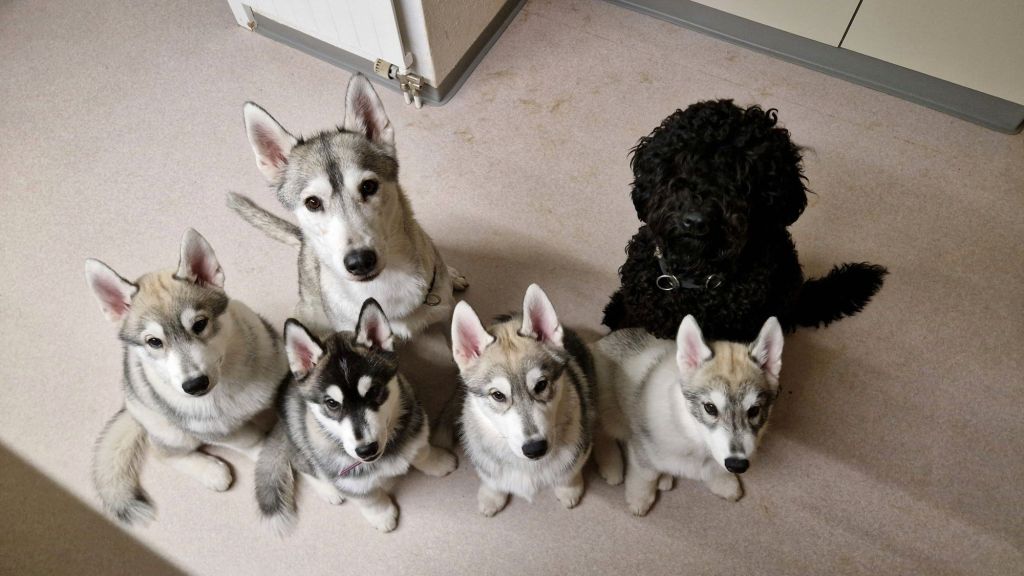
1. Newborn Phase (0–2 weeks): Care and Observation
During the first two weeks, my primary responsibility is to ensure the mother and her litter are safe, warm, and healthy. The puppies are blind, deaf, and completely dependent on their mother for milk and warmth. I monitor their weight daily to make sure they’re feeding properly and developing steadily. The whelping area must be clean, quiet, and kept at a consistent temperature.
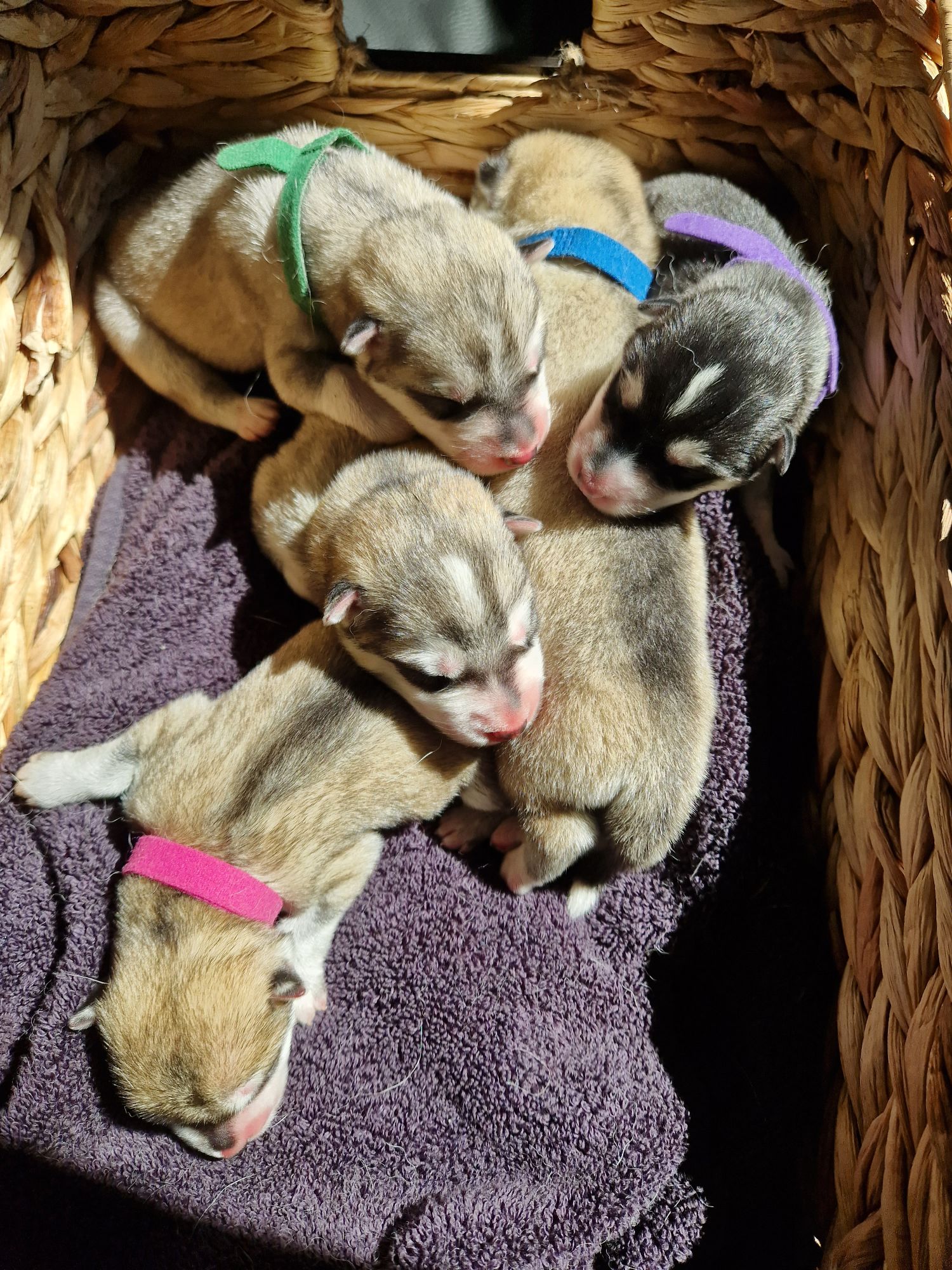
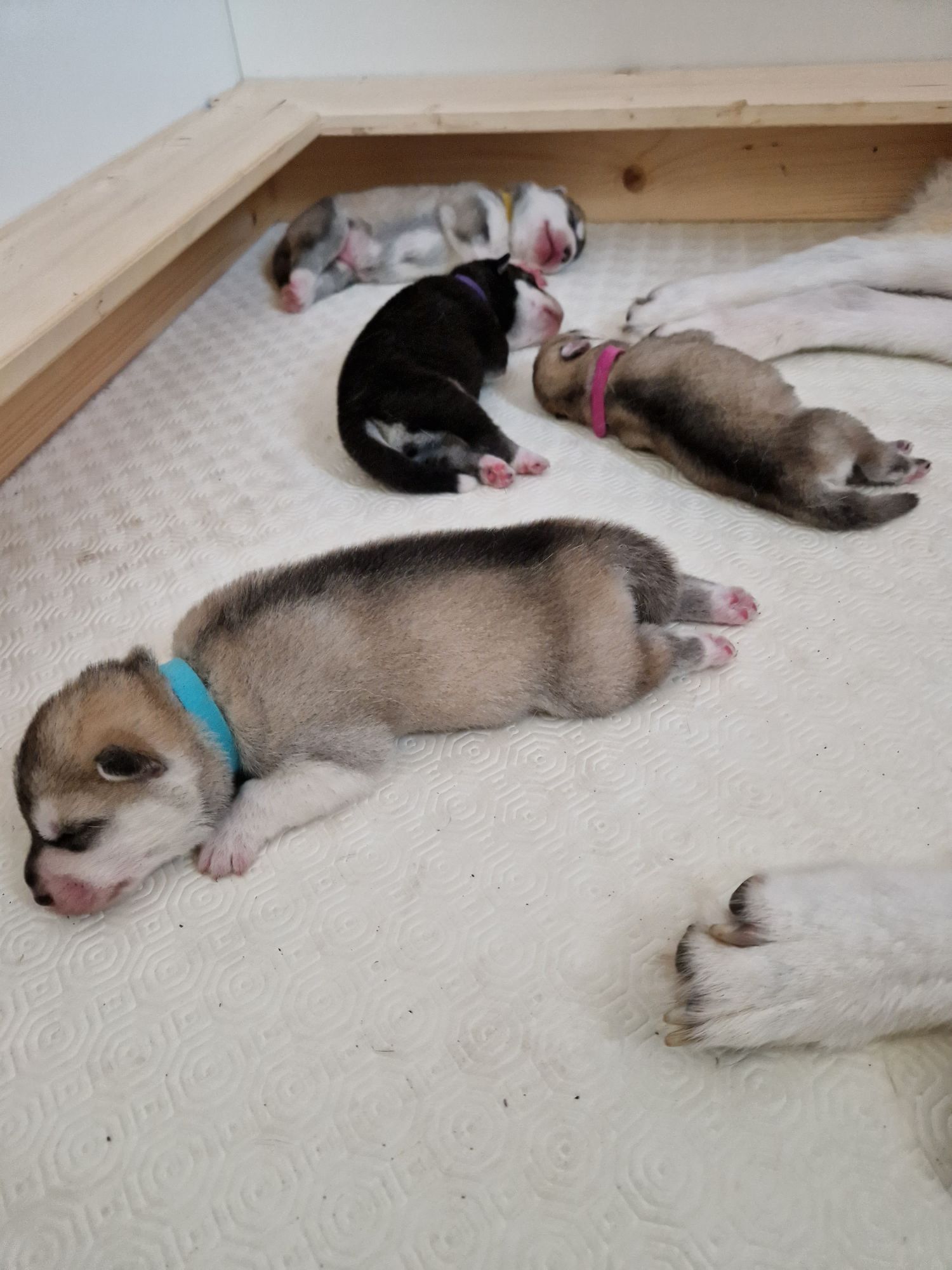

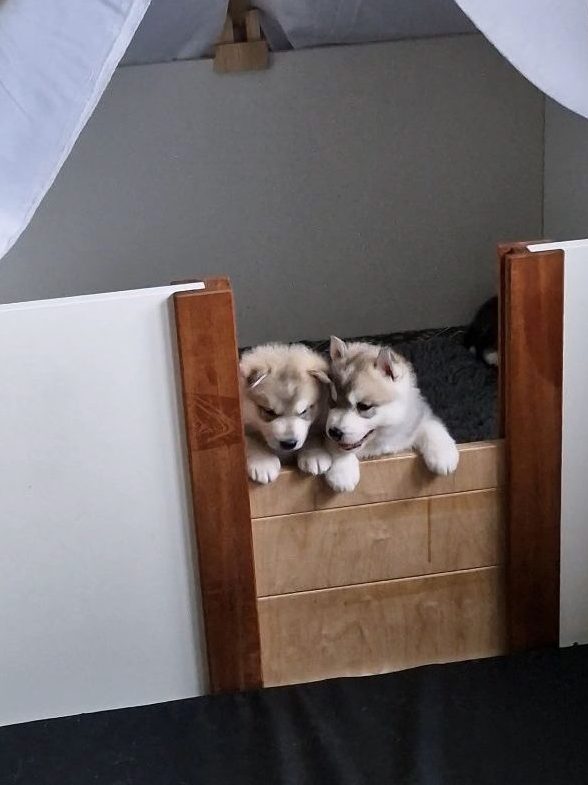
2. Transitional Phase
(2–4 weeks):
Early Stimulation and Awareness
As the puppies begin to open their eyes and ears, they start responding to light, sound, and movement. My role now includes gentle handling and early neurological stimulation to help them grow into confident dogs. I keep the environment safe but gradually introduce mild noises, soft toys, and gentle human interaction. This helps the puppies get used to touch and human presence without fear. I also check for early signs of health or developmental issues during this time.
3. Early Socialization Phase(4–8 weeks): Learning and Exploration
This is one of the most important stages in a breeder’s care. Puppies are now mobile, curious, and ready to explore. I introduce them to new sights, sounds, and textures such as grass, gentle household noises, and different people in a safe and positive way. I also start basic routines including litter training, crate introduction, and gentle grooming. Veterinary care begins during this phase with deworming, first vaccinations, and regular health checks. Each puppy’s temperament starts to show, so I begin noting which homes might suit them best.

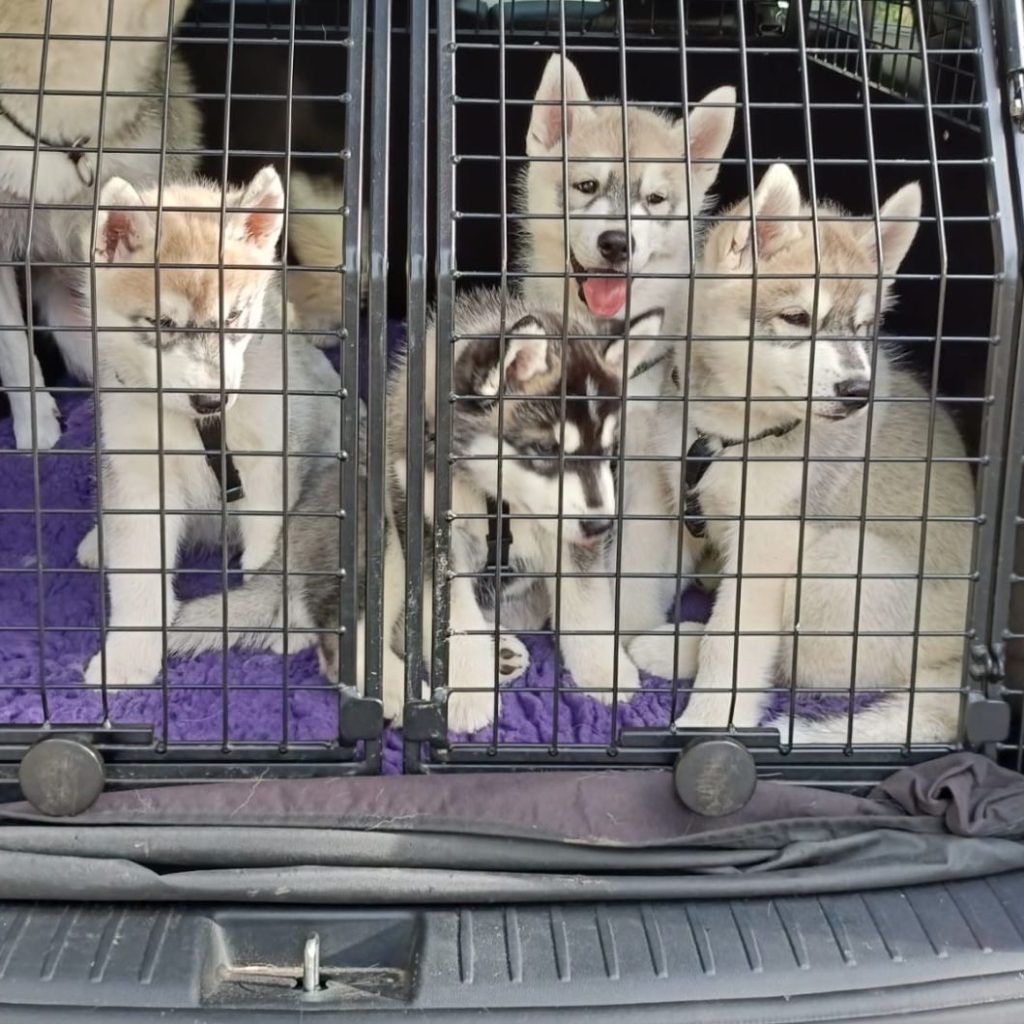
4. Late Socialization Phase (8–12 weeks): Confidence Building and Preparation for Homes
By eight weeks, puppies are ready to experience more of the world. I expose them to new environments, mild challenges, and gentle car rides to help build resilience. Short, positive training sessions begin, including learning to come when called and wearing a collar. This phase is also when most puppies go to their new homes, so I focus on preparing them for that transition. I provide their new families with health records, feeding instructions, and advice on continuing socialization and training.
Extended Socialization Phase (12–16 weeks): Support and Continued Guidance
Although many puppies have already joined their new families by this point, my responsibility as a breeder doesn’t end. I remain in contact with the owners, offering guidance on feeding, vaccination schedules, house training, and social behavior. For any puppies that stay longer, I continue training, introduce them to new people and safe outdoor spaces, and reinforce positive habits. These weeks are critical in shaping their confidence, manners, and trust in humans.

 Joiel's Palace